Handwritten Font for Creative Brands
There I was, staring at a blank brand board, trying to find the right tone for a new artisanal café. The client wanted something warm, approachable, and slightly whimsical—something that felt like it had been written by hand, not designed on a screen. That’s when I reached for Slimdream.
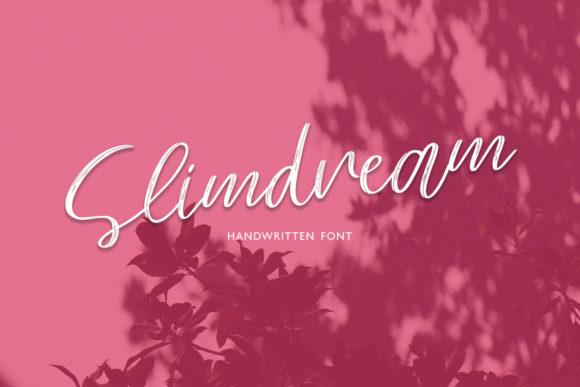
Slimdream is an outstanding handwritten font, created with the help of a brush pen. It has this soft, organic flow that feels both modern and nostalgic. The strokes are gentle, the curves are smooth, and there’s a sense of movement in every letter. It’s not too ornate, but it has enough personality to stand out without overwhelming the design.
Visual Characteristics and Personality
What makes Slimdream special is its balance between elegance and accessibility. It doesn’t shout, but it does command attention. When I tested it on a logo concept, it brought a sense of authenticity that felt right for a small business with a story to tell. The font has a friendly, inviting mood that works well for brands targeting creative or lifestyle audiences.
The typeface has a natural, almost calligraphic feel, which gives it a human touch. It’s ideal for projects where you want to convey warmth, creativity, or craftsmanship. But it also has enough structure to maintain professionalism, making it versatile across different branding applications.
Real-World Branding Applications
I used Slimdream on a packaging mockup for a handmade soap line. The font added a personal, artisanal quality that matched the product’s vibe perfectly. On a business card, it stood out without being distracting. It worked well as a headline font, drawing the eye while still feeling approachable.
When I placed it on a website header, it gave the page a custom, handcrafted look that felt fresh and modern. In social media graphics, it helped create a cohesive visual language that felt consistent across platforms. Even on a poster for a local event, it added a touch of personality that made the design more engaging.
Strengths and Limitations
Slimdream excels as a display or accent font. It’s best suited for short phrases, headlines, and logos rather than long blocks of text. Its flowing style can be difficult to read in small sizes or when used extensively. For body text, it would need a complementary serif or sans serif font to ensure clarity and readability.
It’s not the best choice for formal corporate branding or high-volume print work where legibility is critical. However, for boutique brands, creative studios, or small businesses looking to add a unique touch, it’s a great option.
Font Pairing and Design Integration
Pairing Slimdream with a clean, modern sans serif like Helvetica or Montserrat can create a nice contrast. It also works well with a classic serif font such as Georgia or Garamond, offering a balanced mix of tradition and creativity. For a more playful look, combining it with another handwritten font or a decorative script can add visual interest without clashing.
In a brand board, I found that using Slimdream for headings and subheadings while relying on a simpler typeface for body text created a strong visual hierarchy. It allowed the font to shine without overwhelming the overall design.
Practical Testing and Licensing
Before finalizing any project, I always test a font in multiple contexts. I’ve seen how Slimdream looks on shop signs, product labels, and printed cards. It holds up well in most cases, but I recommend testing it at different sizes and on various backgrounds to ensure it works as intended.
One thing to keep in mind is checking the commercial licensing. Slimdream is part of the Script Amp collection, and understanding the terms is essential before using it in client work, packaging, templates, or digital products. Always make sure you have the right permissions for the intended use.
As a designer, I appreciate fonts that bring character and emotion to a project. Slimdream does that without being over the top. It’s a premium font that adds a unique touch to any creative endeavor, whether it’s a wedding invitation, a café menu, or a brand identity system.